



Skip to content

we are working for a sustainable plant Clean plant Circular Plant

Circular Materials recover and upcycle dissolved metals coming from industrial wastewater.

A Circular Approach

Circular Materials studies, develops, patents and build unique solutions capable of innovate in the critical & strategical raw materials recovery from industrial wastewater.

5+

Years of in-house & industrial development

18

Working specialists

+285

Industrial wastewater validated

Why do we do it?

Our Mission

Circular Materials is committed to preventing the dispersion of valuable resources into the environment by providing innovative and sustainable processes and technologies to recover and enhance metals and critical raw materials dissolved in industrial wastewater.

We transform linear value chains by offering our customers and partners greater environmental sustainability, reduced dependence on virgin raw materials, and optimized production cycles.

0

Zero Release

Prolong the useful life of elements (transition metals, precious metals, and CRMs) and keep them in the value chain, preventing valuable resources from being dispersed into the environment after the huge mining impact.

We believe that the materials we use and dispose of every day have immense value, and our priority is to recover them and reintroduce them into industrial processes, reducing our dependence on virgin raw material, minimizing waste and building a more sustainable future.

Awareness

Circular Materials' proprietary technologies and processes recover valuable resources, providing a scalable and cost-effective solution that benefits both the environment and the our partner's bottom line.

We are committed to working with companies in different industries to raise awareness toward greater resource circularity, promoting the recovery, recycling and reuse of resources as secondary raw materials, thereby reducing mining activities and dependence on volatile markets.

Goals

We are guided by the belief that a circular economy is not only possible but necessary. We are dedicated to offering integrated solutions for the management and utilization of industrial liquids, from initial analysis to implementation and ongoing support.

We are proud to be at the forefront of technological frontiers for a more sustainable future and are committed to our partners and stakeholders to drive positive change in the industry. We are committed to leading Circular Materials to become the technology of choice for industrial water recovery and valorization.

Technologies for sustainability

This is not a wastewater treatment technology!

Tradition vs Innovation

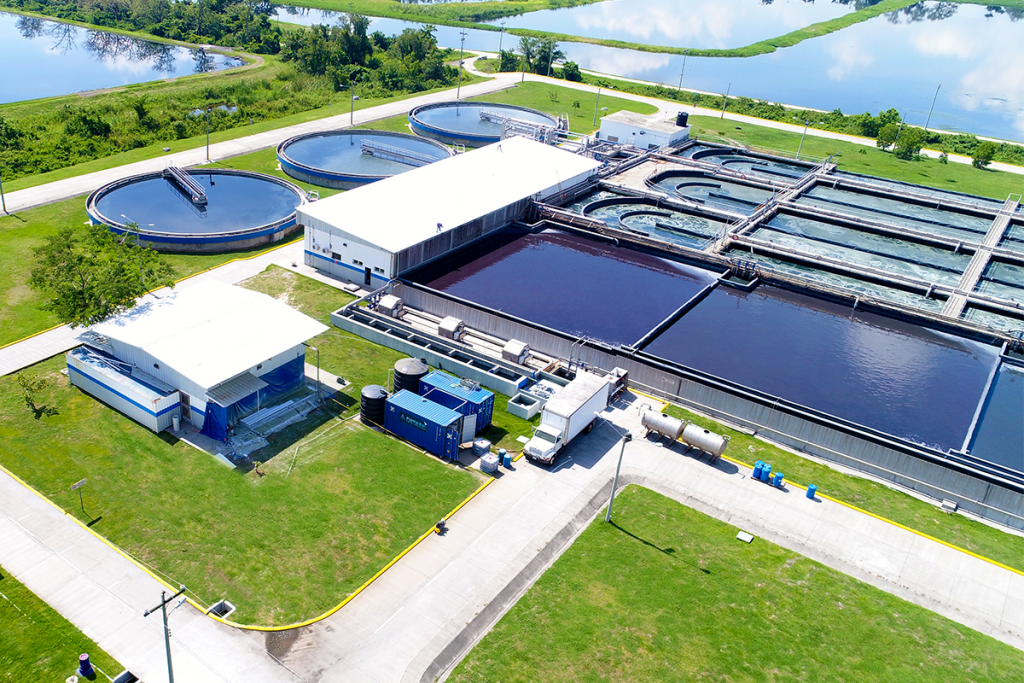
Traditional methods

The management of wastewater from galvanic processes is complex due to the variability in its composition. Before sending them for metal precipitation and clarification by flocculation, appropriate pre-treatment is required. After conventional physicochemical treatment, the water often requires further processes to meet regulatory parameters, such as filtration with activated carbon to reduce COD or ion exchange resins to minimize heavy metals.

Conventional treatment requires complex processes, often based on pH-, time- and concentration-sensitive redox reactions, to manage critical pollutants such as heavy metals, cyanides, and amines. These processes can cause additional problems such as increased chlorides in the effluent and the risk of heavy metals leaching into the final sludge.

Chemical-Physical Precipitation is one of the most popular technologies for industrial water treatment, but it does not allow the recycling and reuse of metals. It involves insolubilisation and flocculation reactions that separate metals from water, generating sludge that, after filtration and drying, is stored in landfills as special waste.

Surface treatment and finishing processes produce a significant amount of industrial waste containing heavy and precious metals. Although these metals are the main raw material for the electroplating industry, when separated by conventional physical-chemical treatments, they turn into sludge that becomes expensive and highly polluting waste, thus contributing to a high environmental impact.

Circular Materials

Circular Materials has patented an innovative technology for treating industrial wastewater, exploiting the properties of supercritical water to recover over 99% of dissolved metals. This process allows on-site recovery and valorization of precious metals and oxides, which can be transformed into salts for the regeneration of electroplating baths, thus representing a perfect example of a circular economy.

We can deal with waste streams of any chemistry and volume. Our technology is designed to adapt to the specific needs of the customer, regardless of the complexity of the effluent and the type of dissolved metal, ensuring high efficiency and demetallization of the water.

Preventing the dispersion of critical raw materials and encouraging their direct reintroduction into the production cycle is an ideal example of a circular economy. This approach not only reduces greenhouse gas emissions by limiting the need to extract primary resources but also simplifies the treatment of waste downstream. By sharing LCA certification with our customers and partners, we attest to this circularity and, at the same time, support them in achieving their ESG goals.

The Water of the Future

The recovery and recycling of metals originating from industrial wastewater plays a key role for Italy and Europe in the transition to a sustainable, clean, circular and efficient industry.

We are a young company committed to playing a key role in this transition to clean manufacturing, and we want to contribute to achieve the industry's sustainability goals.

Metals used in surface treatment processes have a high environmental impact, but at the same time they are irreplaceable and necessary resources.

Circular Materials aims to support the evolution of the surface treatment industry toward processes that are sustainable and in line with economic and environmental performance goals.

Recovering and recycling metals originated from industrial wastewater not only helps reduce impacts on the environment and humans, but is also an opportunity to decrease dependence on commodity markets, which are highly volatile, such as nickel, precious metals, and Critical Raw Materials (CRMs).

Circular Materials technology can help improve the United Nations' sustainability indicators, UN Sustainable Goals.

Several partners have already chosen our technology.

en_GBEnglish