
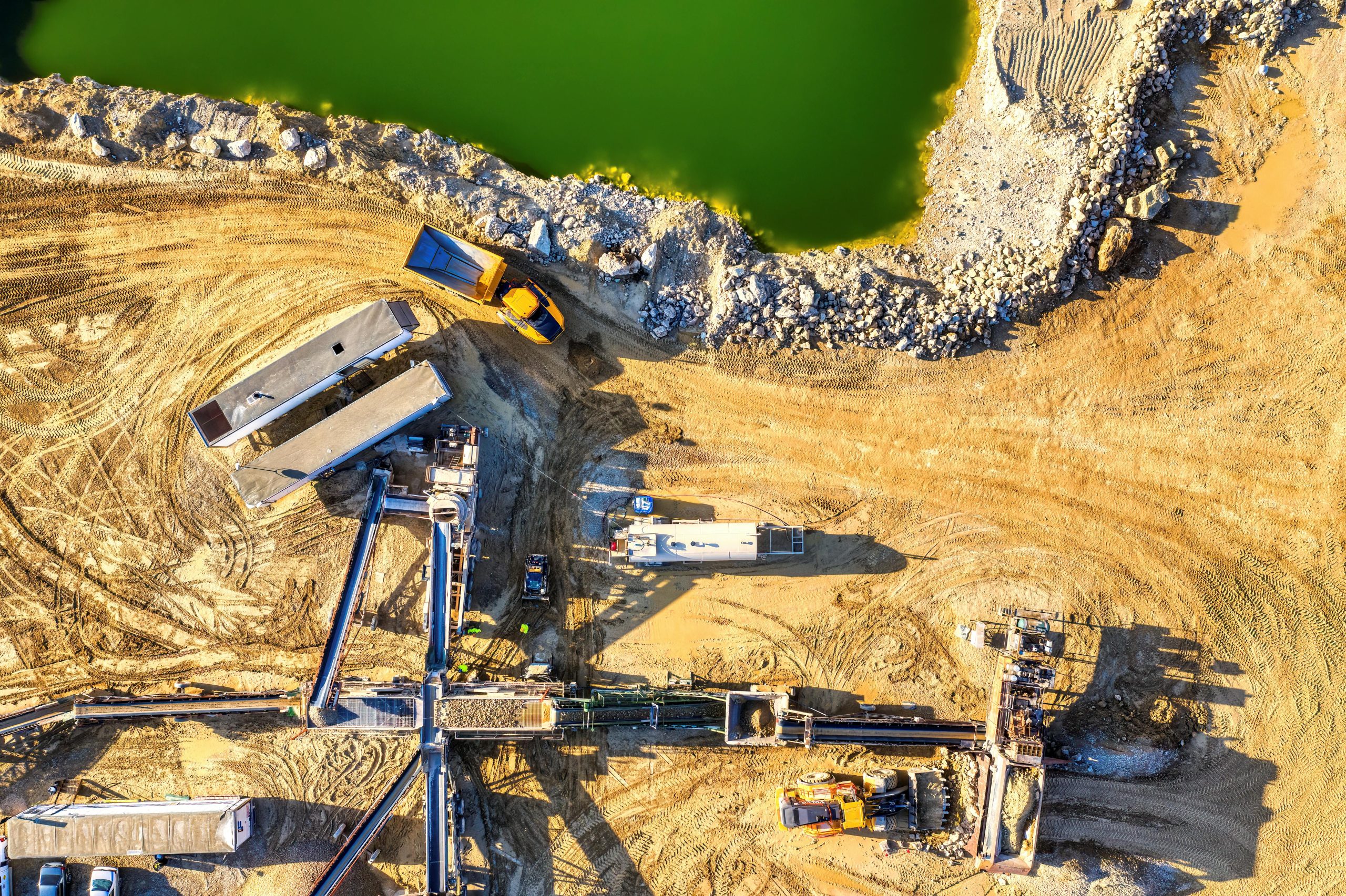
What Do Smartphones, Solar Panels, and Medical Tools Have in Common?
Everyday products like solar panels, medical devices, and smartphones — even the one in your pocket right now—depend on critical raw materials (CRMs). These essential metals and minerals are the foundation of modern technology, yet their supply faces significant challenges due to limited reserves and geographical constraints.
As the global push for sustainability and the energy transition accelerates, the demand for CRMs is skyrocketing. From electric vehicles and wind turbines to advanced medical technologies, CRMs are indispensable for building a sustainable future. But with their uneven distribution across the globe and complex supply chains, the question arises: how can we secure access to these vital resources in the years to come?
What Are Critical Raw Materials?
Critical Raw Materials (CRMs) are metals and minerals essential for our economy and society but vulnerable to supply disruptions due to limited availability or geopolitical dependencies. These materials are crucial to industries like renewable energy, aerospace, electronics, and construction.
While CRMs exist abundantly in the Earth’s crust, they are often concentrated in a small number of regions. This uneven geographical distribution creates dependency on a handful of countries, intensifying supply risks. For example:
- China controls over 80% of the global supply chain for key materials like rare earth elements, lithium, and cobalt.
- Other CRMs, such as platinum group metals, are primarily concentrated in South Africa and Russia.
- Major nickel reserves are found in Indonesia, Russia, and the Philippines.
This concentrated supply raises critical concerns about resource security, sustainability, and climate impacts.
The Challenges of Extraction and Supply Chains
Although CRMs are naturally abundant, the reality is more complicated. Many deposits are in regions with geopolitical risks, and their extraction often comes with significant environmental and social costs.
For example, extracting and refining rare earth metals is an energy-intensive process with a high carbon footprint. This creates a paradox: while CRMs are essential to the green energy transition, their production can negatively impact the environment.
Moreover, the time and resources required to open new mines—often more than a decade—mean that mining alone cannot meet the soaring demand. As Benjamin Sprecher, a leading expert on critical metals, has noted: “Discovering untapped reserves is no longer a viable solution”.
This combination of geographical constraints, long lead times, and environmental impact highlights the urgent need for alternative strategies.
The Six RE Principles: An Alternative Path
If mining is slow, expensive, and environmentally taxing, how can we meet the growing demand for CRMs? The solution lies in the circular economy, guided by the Six RE principles: Reduce, Reuse, Repair, Remanufacture, Recycle, and Recover.
These enable us to:
- Minimize waste.
- Extend the lifespan of materials.
- Recover valuable resources from industrial processes.
Among these, recycling and recovery play a particularly crucial role in addressing supply constraints. This is why we are at the forefront of transforming industrial waste into valuable raw materials, reducing reliance on primary mining.
How Circular Materials is Driving Change
At Circular Materials, we are committed to recovering high-quality CRMs from industrial waste streams, including effluents and solid matrices. Our innovative processes prevent the loss of valuable materials and contribute to a cleaner, more sustainable future.
This approach aligns with the European Union’s strategic goals, which emphasize securing access to CRMs through:
- Domestic resource development.
- International partnerships.
- Circular economy initiatives.
Together, these efforts aim to reduce dependency on geopolitically sensitive regions and ensure that critical raw materials remain accessible for future generations.
Raw Materials Week 2024: Insights and Opportunities
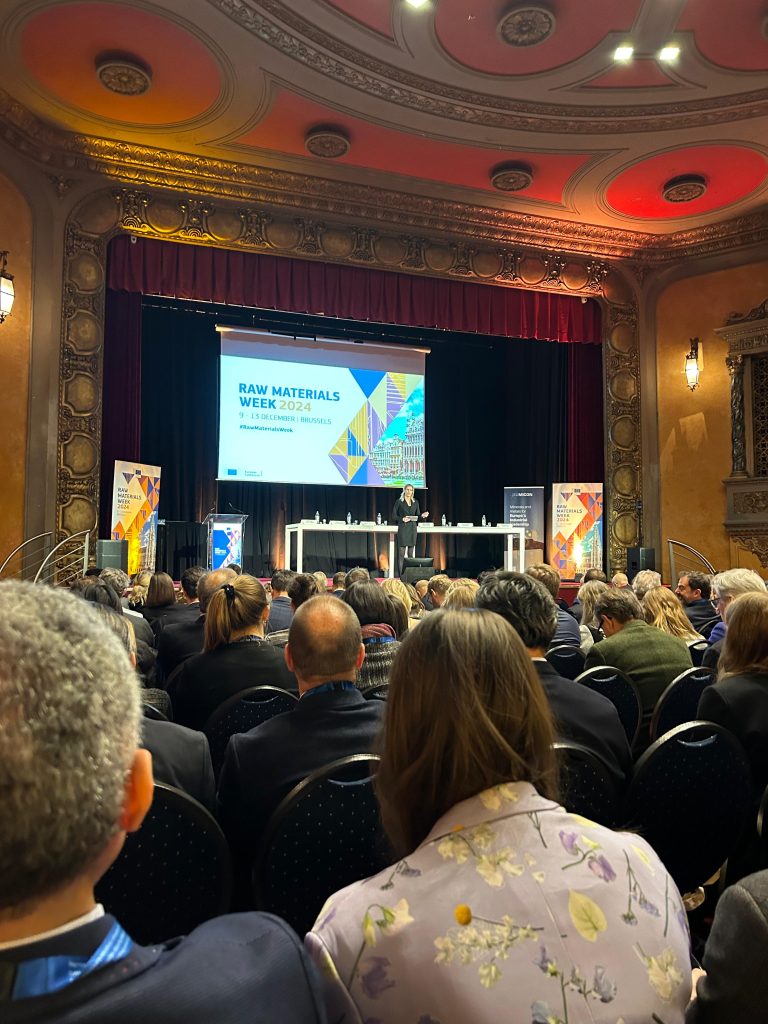
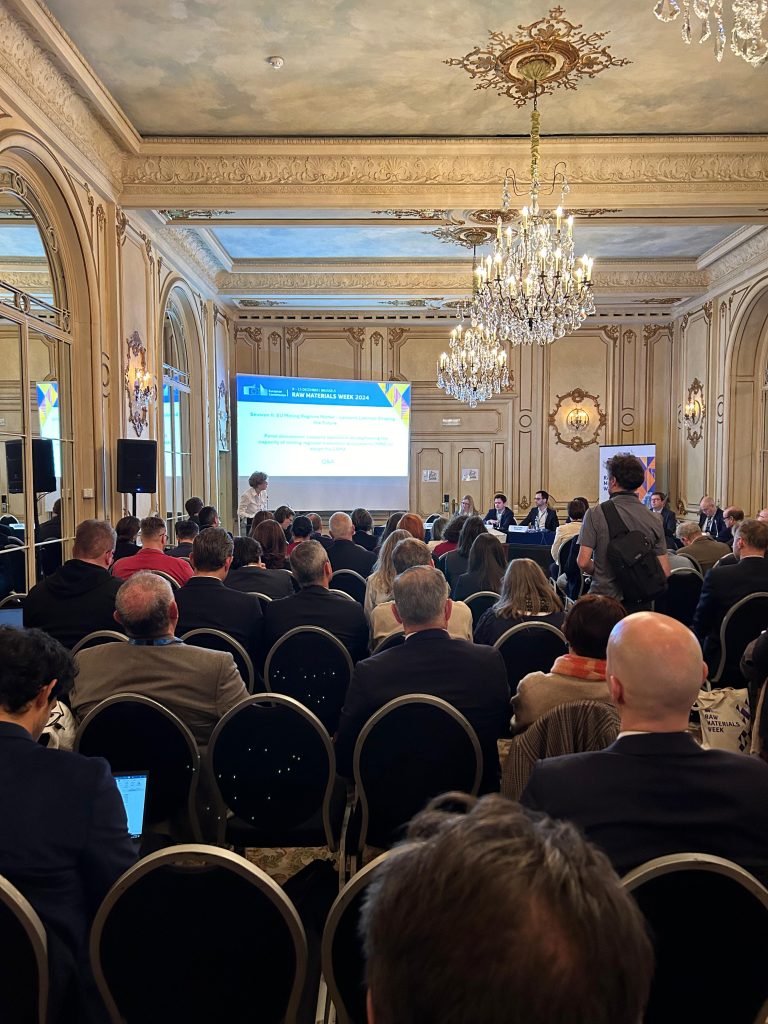
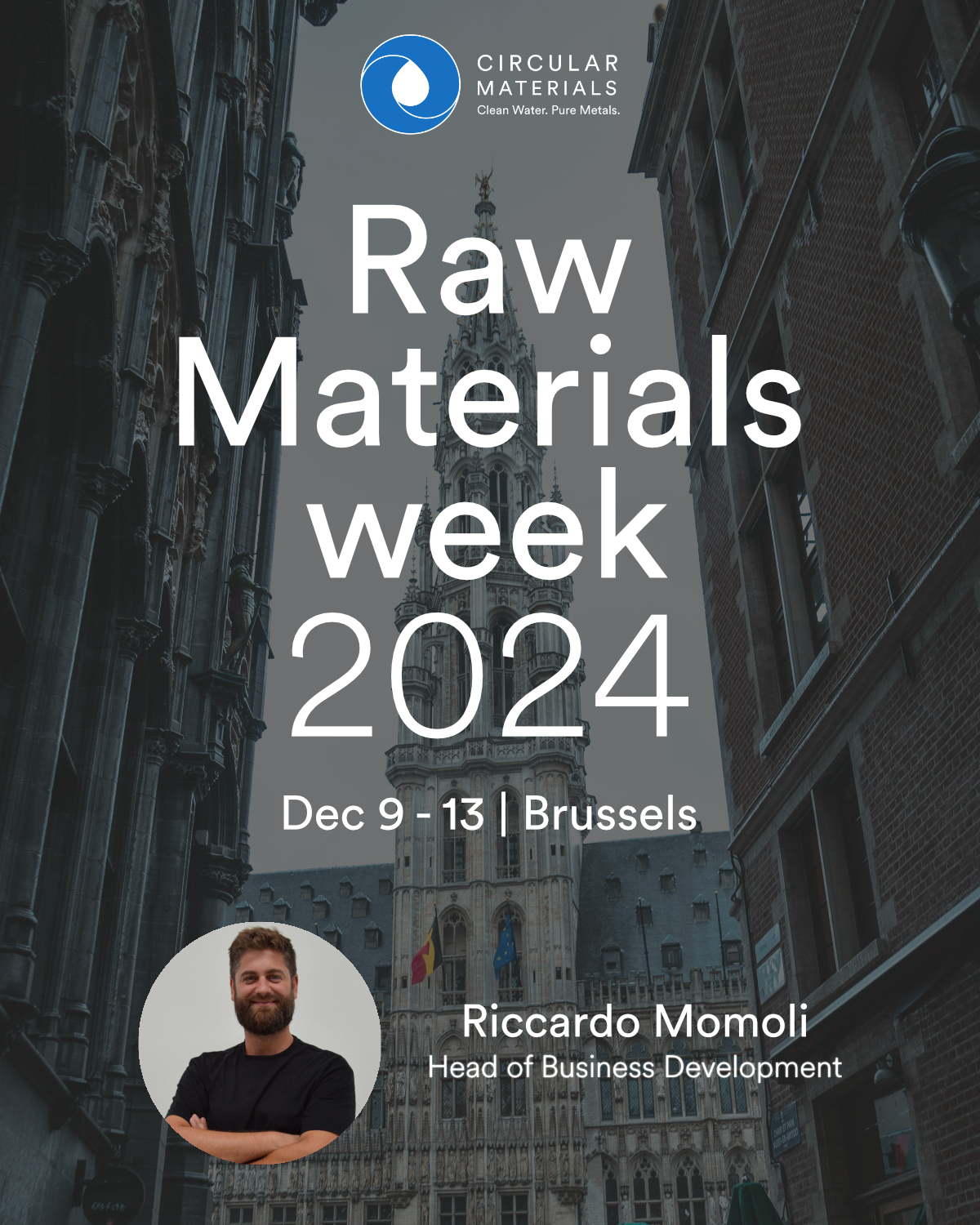
Last week, our Head of Business Development, Riccardo Momoli, attended Raw Materials Week 2024 in Brussels (December 9–13). This annual event, organized by the European Commission, brings together key stakeholders to discuss policies and initiatives shaping the future of CRMs.
Highlights included the 11th Annual High-Level Conference on Raw Materials, co-organized with EUMICON, where experts explored how the EU is tackling CRM challenges within the Clean Industrial Deal framework. Such events offer invaluable insights into how Europe is addressing the global CRM challenge through innovative policies, strategic collaborations, and circular economy strategies. For a deeper dive into the discussions, recordings of the event are available here.
The Path Forward
Critical raw materials form the backbone of modern technology and the global energy transition, but their supply is under growing pressure. Addressing this challenge requires a multifaceted approach, including:
- Innovative recovery technologies to reclaim CRMs from industrial waste.
- Sustainable mining practices to minimize environmental impact.
- Circular economy initiatives to extend material lifecycles and reduce waste.
At Circular Materials, we’re proud to be part of the solution. By embracing the Six RE principles and aligning with EU policies, we’re helping build a future where CRMs remain accessible and sustainable for generations to come.
Stay tuned for more updates on our journey and the latest developments in the world of CRMs.
For more about Circular Materials and our efforts in waste reduction, visit our website or reach out directly. Together, let’s turn waste into opportunity—one drop of water at a time.
 Italian
  English